
Rose Gold Jewelry

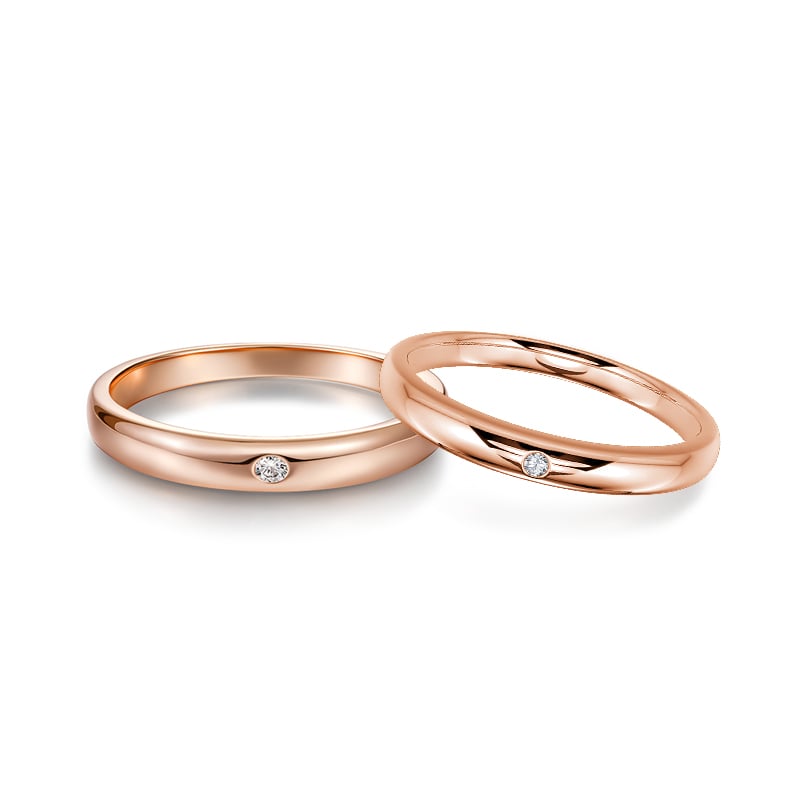
Jeulia Minimalist Round Cut Couple Ring Set Sterling Silver
CA$357.00

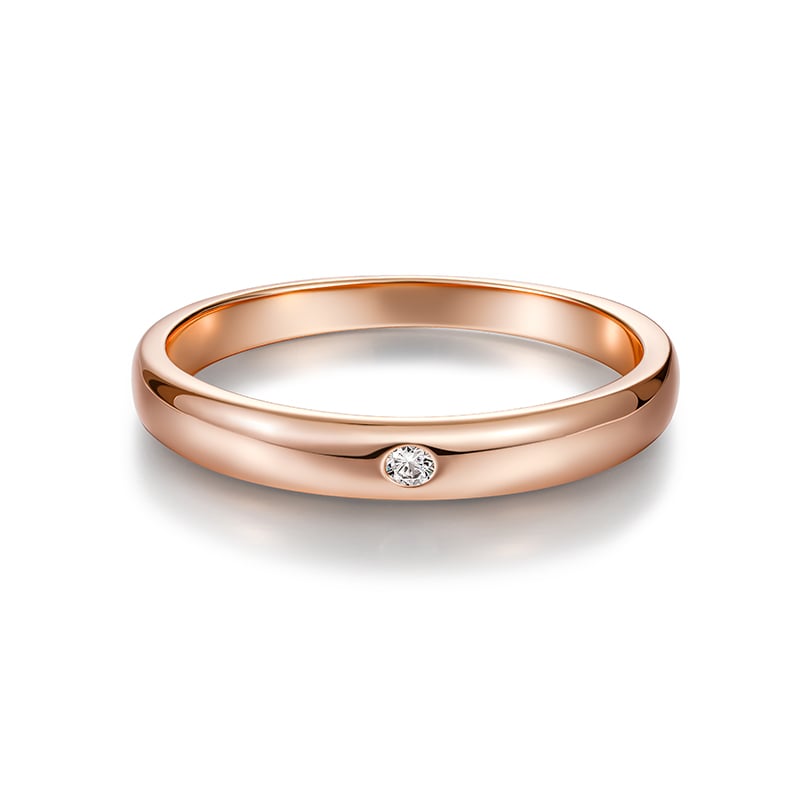
Jeulia Minimalist Round Cut Men's Rose Gold Wedding Band
CA$178.50
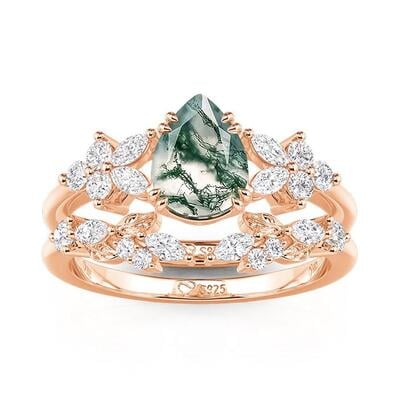
Jeulia Rose Gold Pear Cut Moss Agate Ring Set
CA$247.50
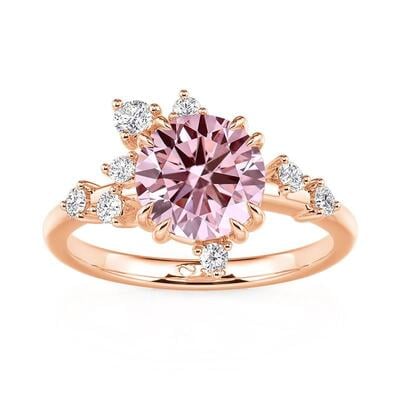
Jeulia Simple Rose Gold Round Cut Pink Stone Engagement Ring
CA$247.50
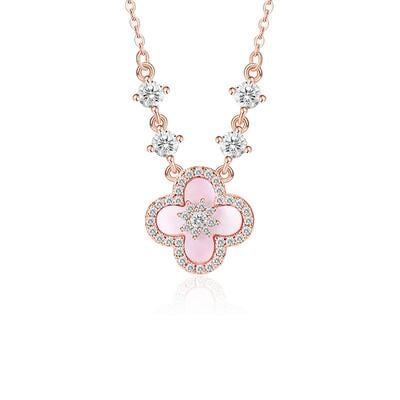
Jeulia Pink Sakura Cherry Blossom Necklace Sterling Silver
CA$178.50
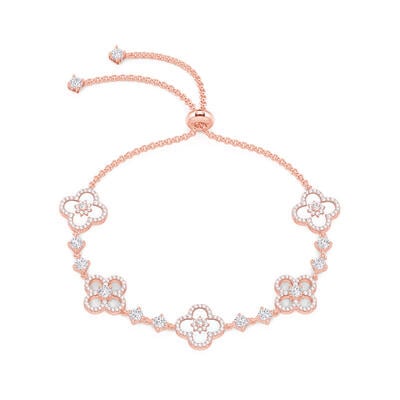
Jeulia Cute Sakura Bracelet Sterling Silver
CA$253.50CA$373.50

Jeulia Two Tone Twist Rose Flower Ring Sterling Silver
CA$157.50
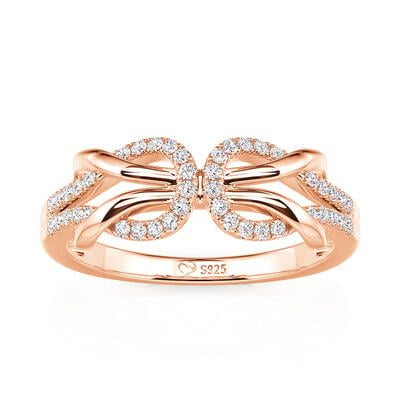
Jeulia Classic Rose Gold Infinity Wedding Band
CA$148.50
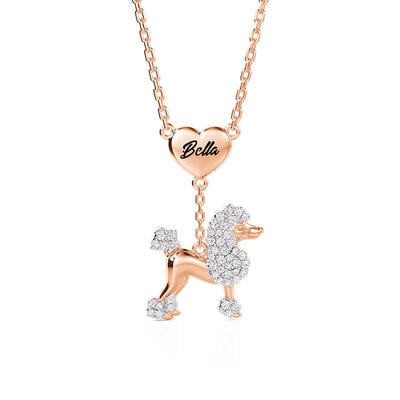
Jeulia Petland Custom Engraved Poodle Necklace Sterling Silver
CA$163.50
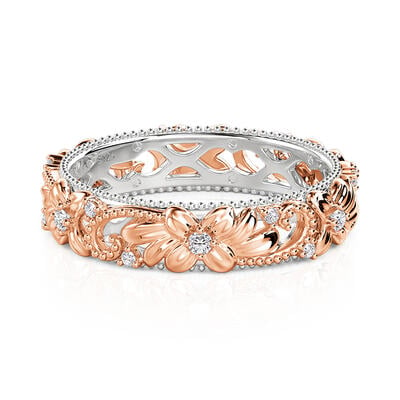
Jeulia Milgrain Two-Tone Embossed Floral Wedding Band
CA$148.50CA$178.50
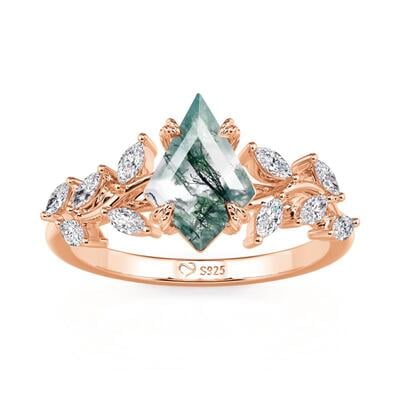
Jeulia Vine Twist Kite Cut Moss Agate Engagement Ring
CA$178.50
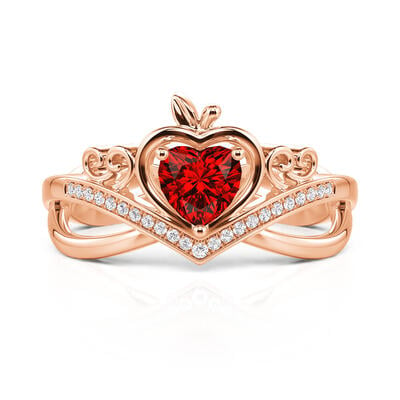
Jeulia Apple Design Red Heart Ring Sterling Silver
CA$148.50
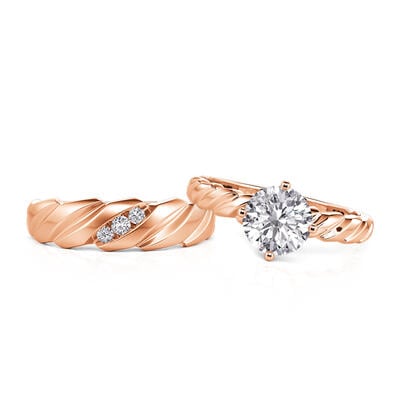
Jeulia Braided Twisted Rose Gold Round Cut Couple Rings Set
CA$357.00
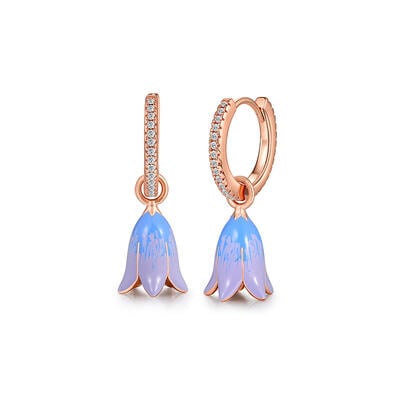
Jeulia Bluebell Rose Gold Drop Earrings Sterling Silver
CA$178.50
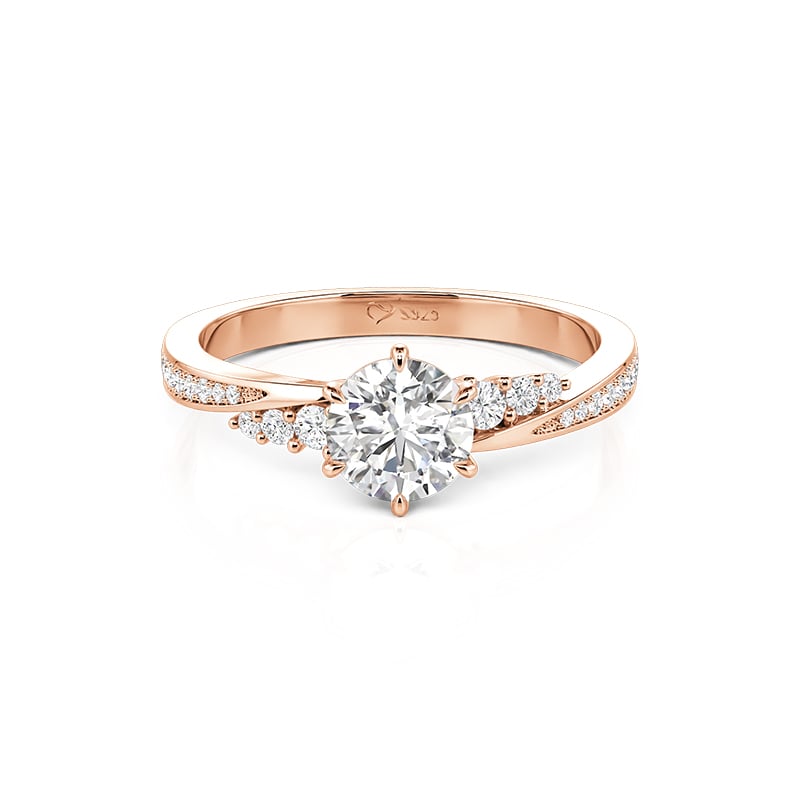
Jeulia Simple Round Cut Promise Ring Twist Design Rose Gold
CA$163.50CA$204.00
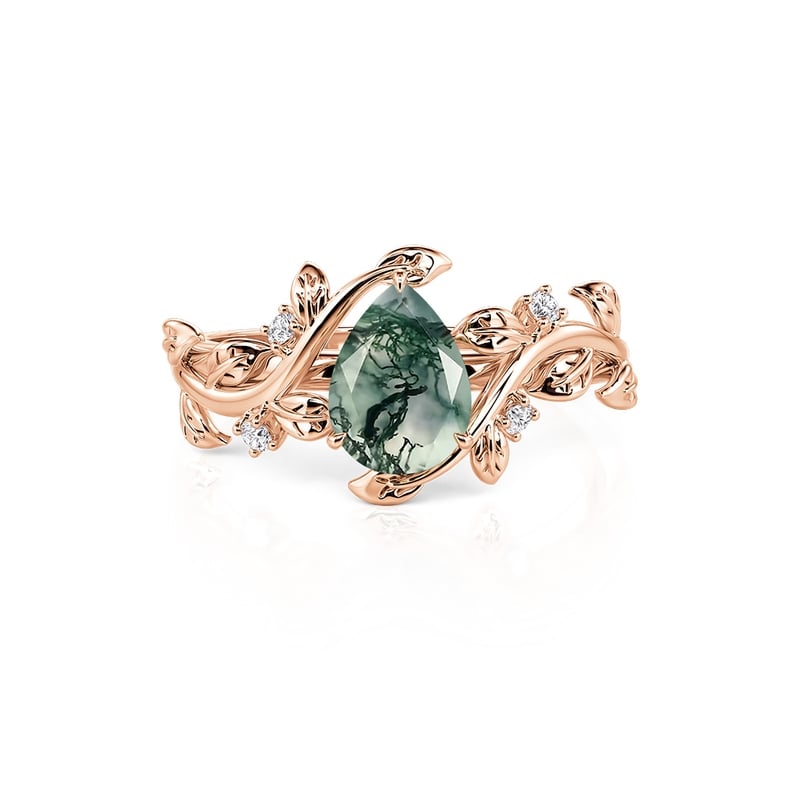
Jeulia Bypass Rose Gold Pear Cut Moss Agate Engagement Ring
CA$193.50CA$241.50
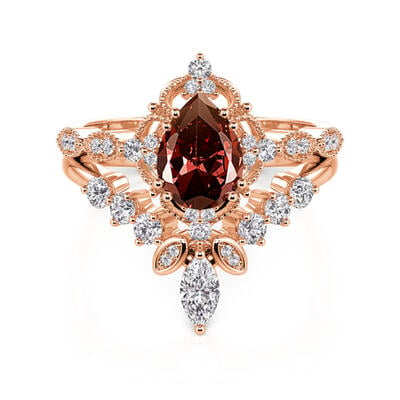
Jeulia Vintage Coffee Pear Cut Engagement Ring Set 2PCS
CA$277.50
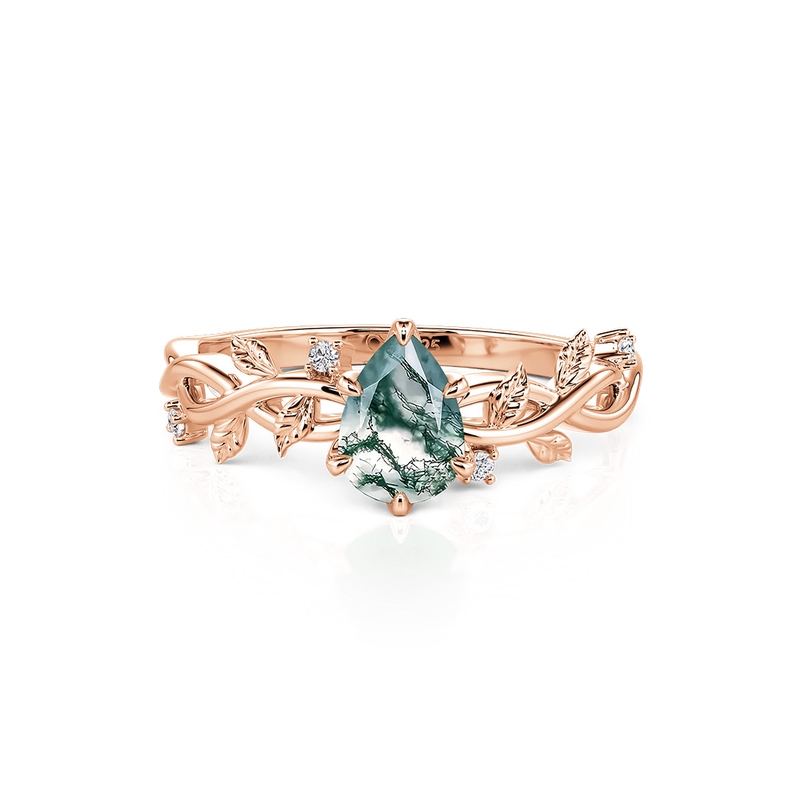
Jeulia Pear Cut Rose Gold Moss Agate Engagement Ring with Vine Leaf
CA$178.50CA$223.50
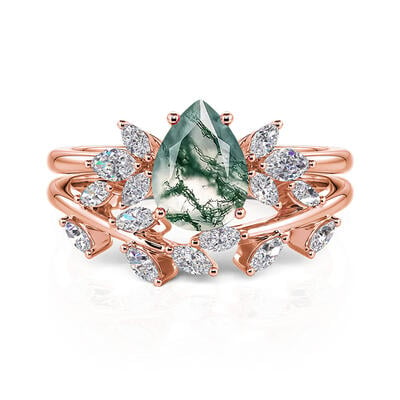
Jeulia Forest Deciduous Pear Cut Moss Agate Ring Set
CA$307.50
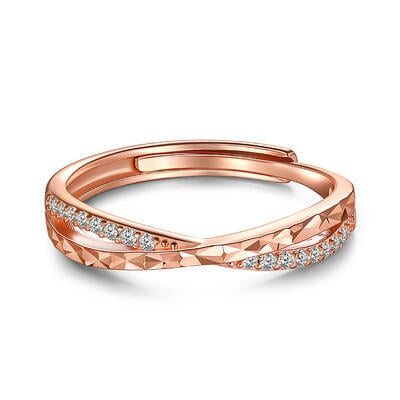
Jeulia Adjustable Crossover Ring for Women Sterling Silver
CA$133.50
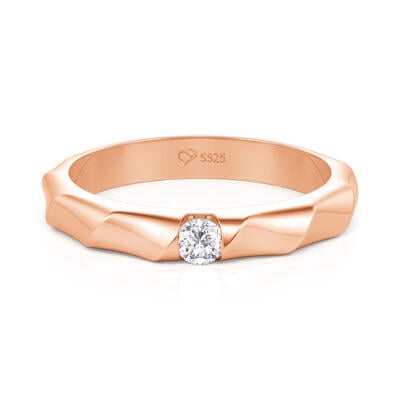
Jeulia Simple Solitaire Twisted Ribbon Women's Wedding Band
CA$217.50
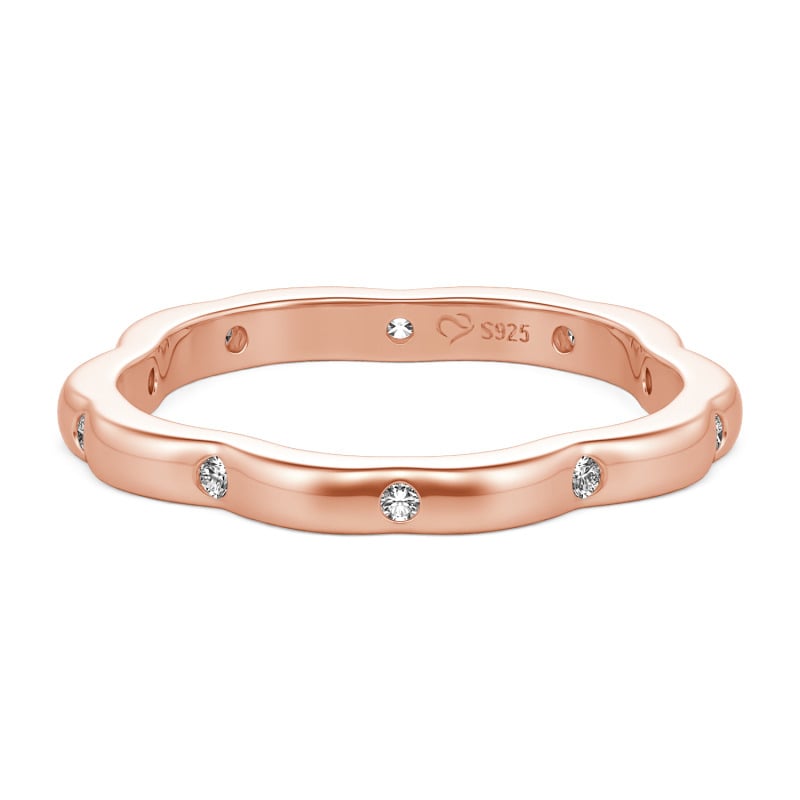
Jeulia Custom Sakura Petal Contour Round Cut Womens Ring
From CA$193.50
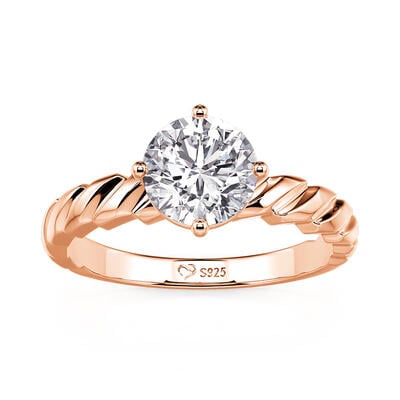
Jeulia Braided Rose Gold Round Solitaire Engagement Ring
CA$178.50
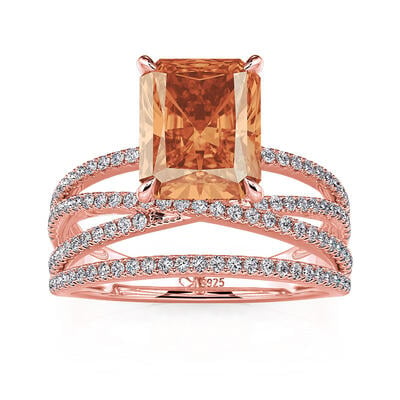
Jeulia Crossover Stellar Orbit Inspired Radiant Cut Engagement Ring
CA$253.50CA$316.50

Jeulia Custom Infinity Dance Birthstone Necklace
CA$193.50
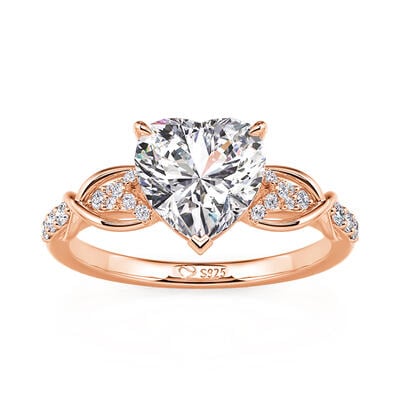
Jeulia Love Infinity Heart Engagement Ring with Gradient Side Stone
CA$187.50
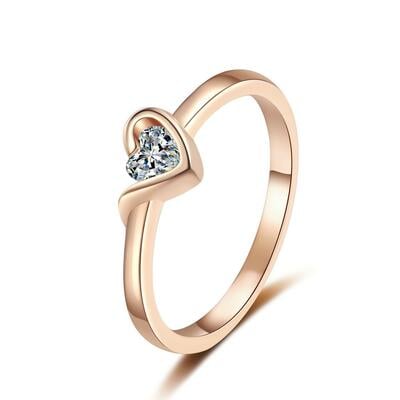
Jeulia Solitaire Heart Promise Ring Sterling Silver
CA$142.50
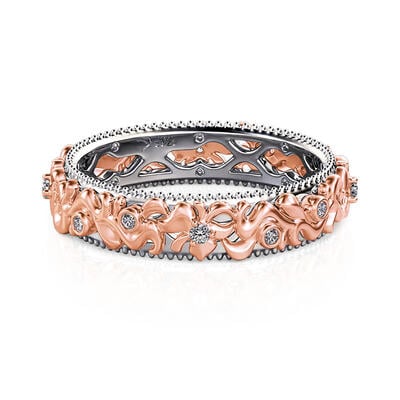
Jeulia Two Tone Flower Vine Engraved Women's Ring
CA$232.50CA$310.50
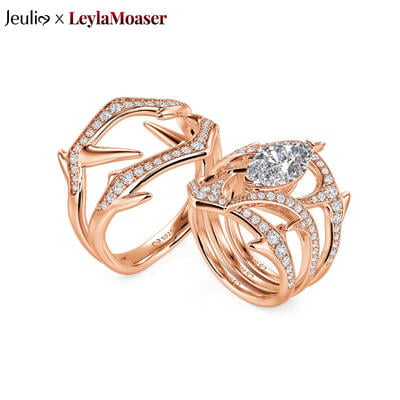
Jeulia x Leyla Dense Thorn Couple Rings
CA$561.00CA$583.50
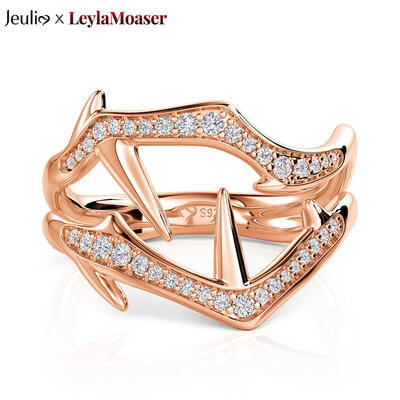
Jeulia x Leyla Thorn Wilderness Men's Rose Gold Ring
CA$232.50CA$255.00
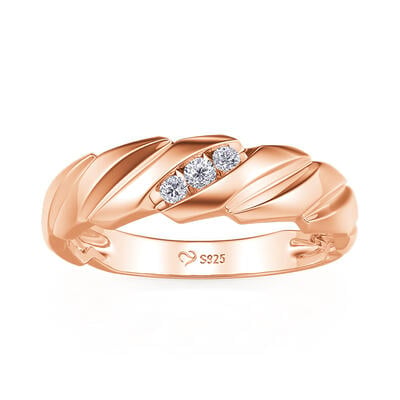
Jeulia Braided Twisted Rose Gold Round Cut Men's Wedding Band
CA$178.50
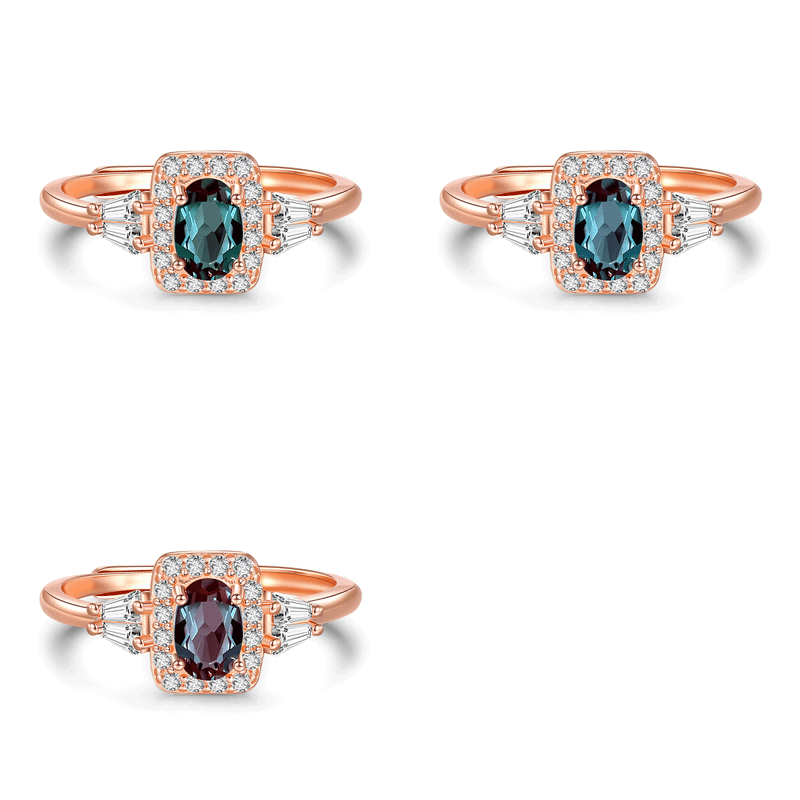
Jeulia Rose Gold Halo Alexandrite Rose Gold Engagement Open Ring Sterling Silver
CA$172.50CA$202.50
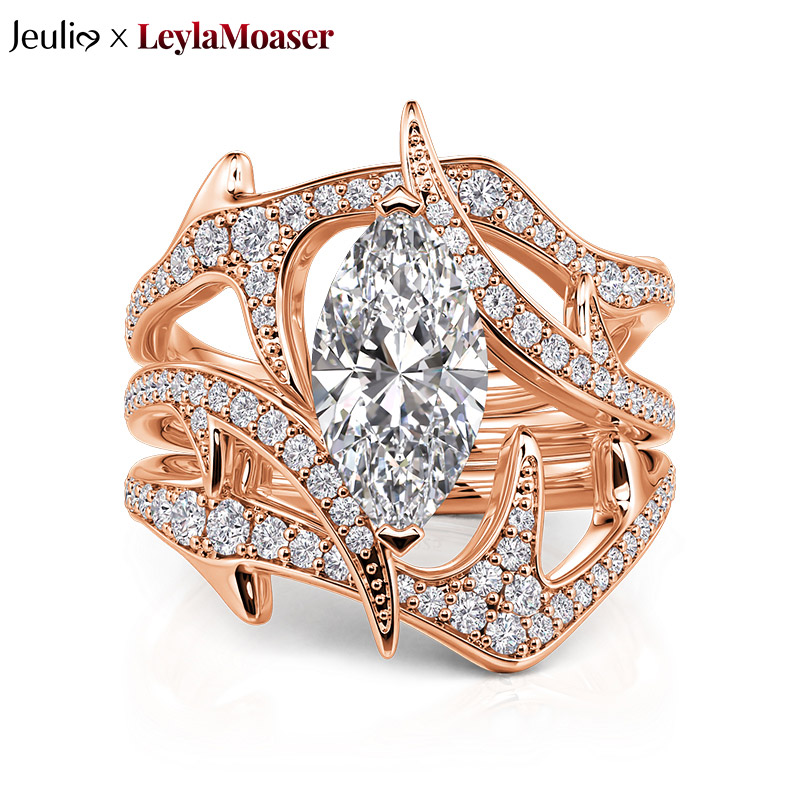
Jeulia x Leyla Thorn Bush Women Rose Gold Ring Set
CA$328.50
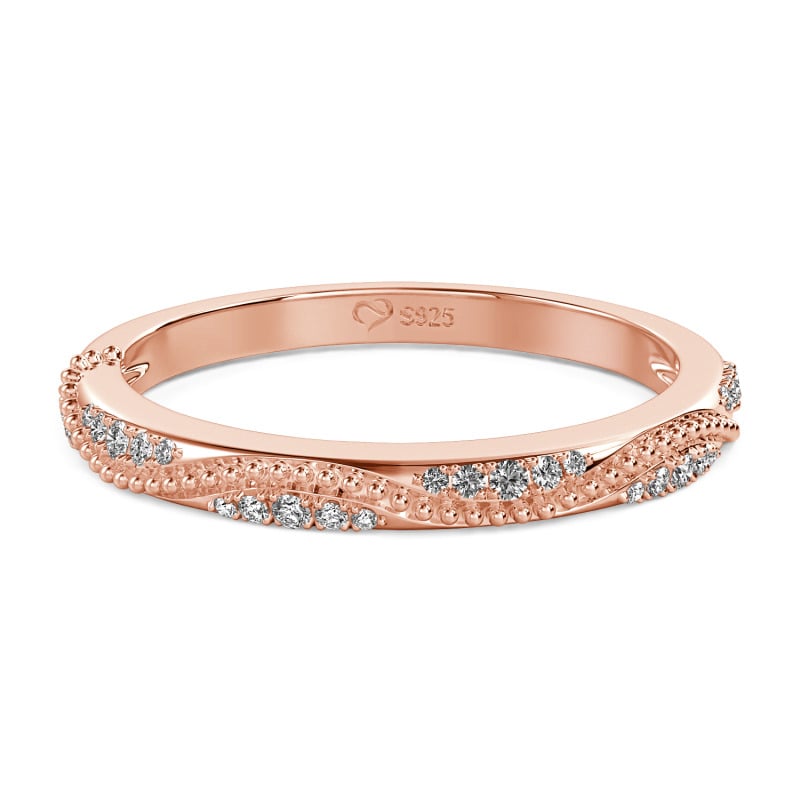
Jeulia Vintage Wave Milgrain Eternity Band Sterling Silver
From CA$163.50
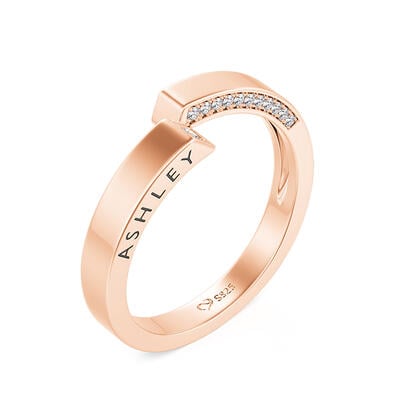
Jeulia Custom Women's Name Wedding Band with Side Bypass
CA$247.50
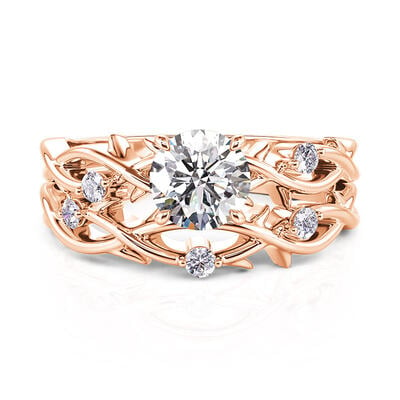
Jeulia Thorns and Flower Rose Gold Solitaire Engagement Ring Set Sterling Silver
CA$277.50
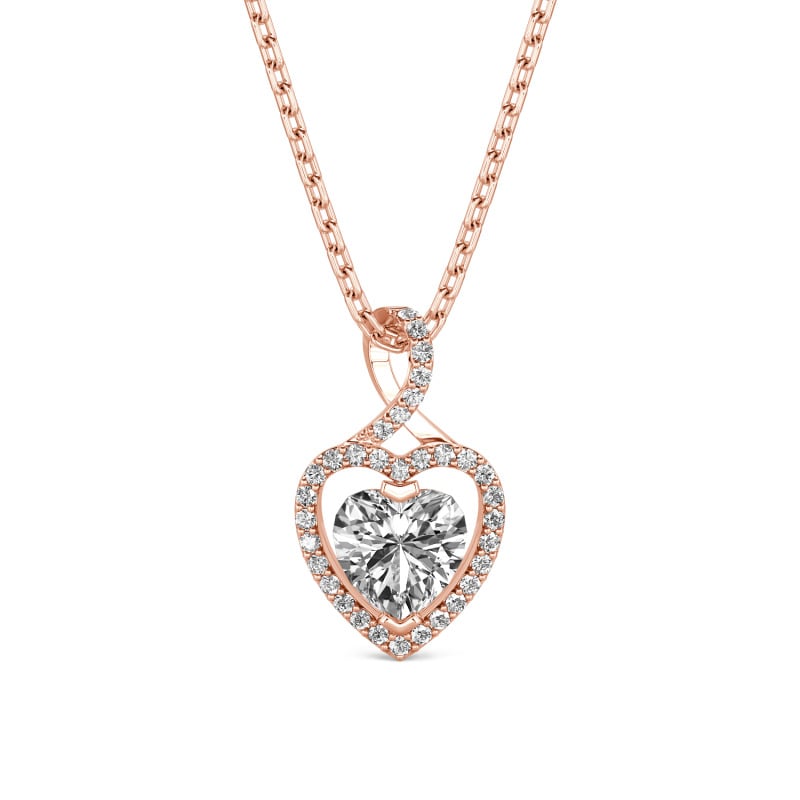
Jeulia Custom Infinite Heart Necklace for Love
From CA$163.50
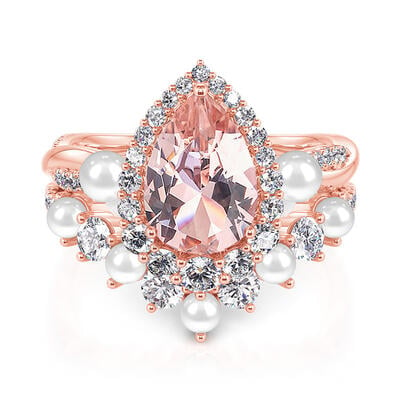
Jeulia Twist Halo Pear Wedding Ring Set Morganite Pearl
CA$232.50CA$286.50
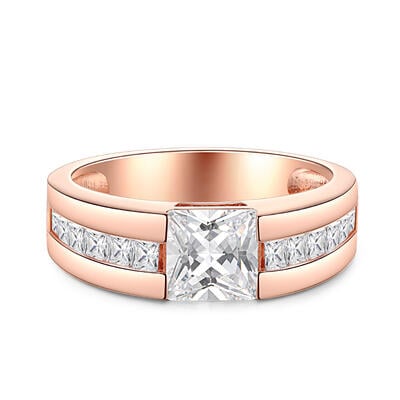
Jeulia Cool Princess Cut Men's Wedding Ring Rose Gold
CA$232.50
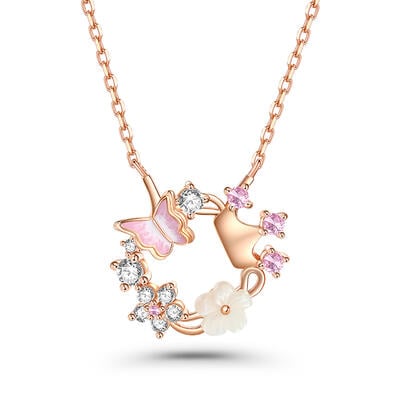
Jeulia Princess Crown Shell Flower Butterfly Necklace Sterling Silver
CA$163.50CA$247.50
Final Sale
- 1
- 2


Rose Gold Jewelry
If you’ve strolled through a jewelry boutique, scrolled through Instagram, or even window-shopped online recently, you’ve witnessed a revolution in soft, warm tones. Rose gold jewelry isn't just a trend; it has firmly planted its roots as a modern classic in the American jewelry scene.
While it feels incredibly contemporary, rose gold has a rich history. It was first popularized in 19th-century Russia by famed jeweler Carl Fabergé and had moments of glory in the luxurious Art Deco era of the 1920s. Its modern resurgence, however, began in the early 2010s and shows no sign of slowing down.
Why Americans are Choosing Rose Gold Jewelry?
Universally Flattering: The warm, pink-copper tone complements every skin tone. It adds a healthy, radiant glow to fair skin, enhances medium and olive complexions, and provides a stunning contrast against darker skin. It’s a truly democratic metal.
A Touch of Romance and Modernity: Rose gold perfectly balances vintage charm with a fresh, modern edge. It feels romantic and delicate without being overly feminine, and contemporary without being cold or austere like some silver or white gold can be.
Incredible Versatility: This metal is a style chameleon. It pairs beautifully with white gold and yellow gold for a trendy mixed metals look. It also makes the sparkle of diamonds pop and gives colored gemstones—like morganite, sapphires, and even emeralds—a unique and warm backdrop.
Strength and Durability: Thanks to its hardy copper content, rose gold is more durable and scratch-resistant than yellow or white gold. This makes it an excellent choice for everyday wear, especially for engagement rings and wedding bands that need to stand the test of time.
Incorporating rose gold into your wardrobe is effortless. Start with a simple rose gold necklace or a pair of huggie hoops. They add a hint of warmth and style without overwhelming your look. Rose gold engagement rings are a massive trend for a reason. They offer a unique, non-traditional, and incredibly romantic alternative to platinum or white gold. A rose gold setting can make a classic diamond look warmer or make a peach morganite center stone shine. Don’t be afraid to layer your rose gold pieces with your existing yellow and white gold jewelry. This mixed-metal approach is fashion-forward and personalized, showing off your unique style.
Rose gold has transcended its status as a passing fad to become a cornerstone of the American jewelry box. Its unique blend of warmth, strength, and unparalleled versatility makes it a timeless choice for expressing personal style, celebrating love, and investing in pieces you’ll cherish for a lifetime.
Whether you’re looking for a subtle addition to your daily wear or a show-stopping centerpiece, rose gold offers a beautiful and contemporary option that truly feels like you.
Read More