Heart Engagement Rings
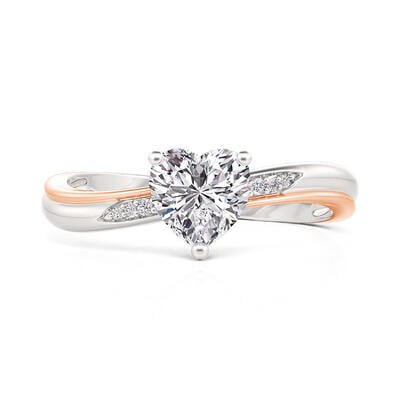
Jeulia Two Tone Wave Heart Cut Engagement Ring Sterling Silver
CA$193.50CA$258.00

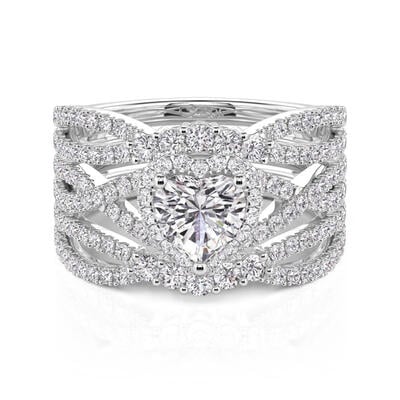
Jeulia Twisted Heart Halo Engagement Ring Set 2PCS
CA$307.50CA$366.00
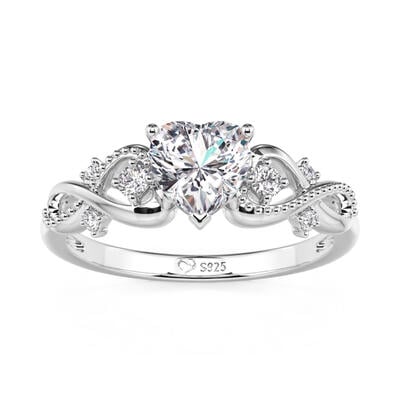
Jeulia Infinity Twisted Heart Shaped Engagement Ring
CA$178.50
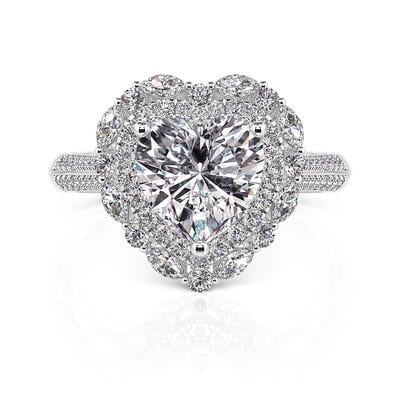
Jeulia Vintage Double Halo Heart Engagement Ring Sterling Silver
CA$232.50
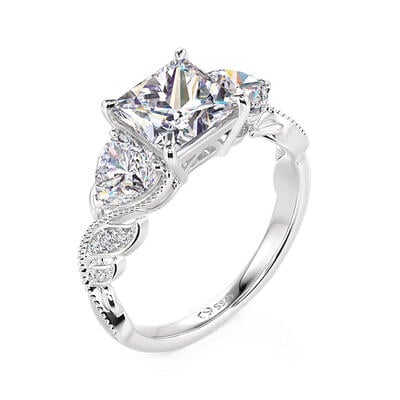
Jeulia Twist Leaf Vine Heart Design Three Stone Engagement Ring
CA$217.50

Jeulia Petal Design Heart Halo Engagement Ring
CA$217.50
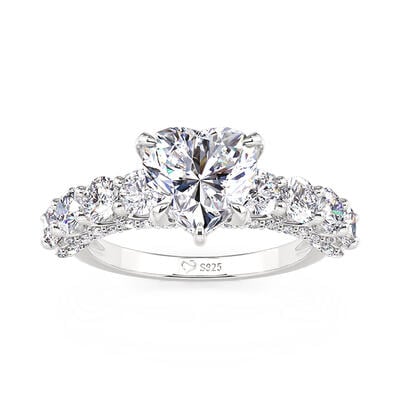
Jeulia Love Heart Engagement Ring with Half Eternity Band
CA$247.50
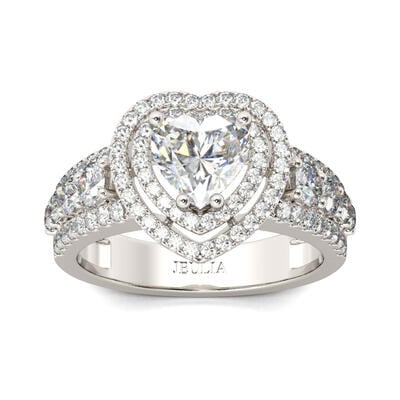
Jeulia Double Halo Heart Cut Sterling Silver Engagement Ring
CA$268.50
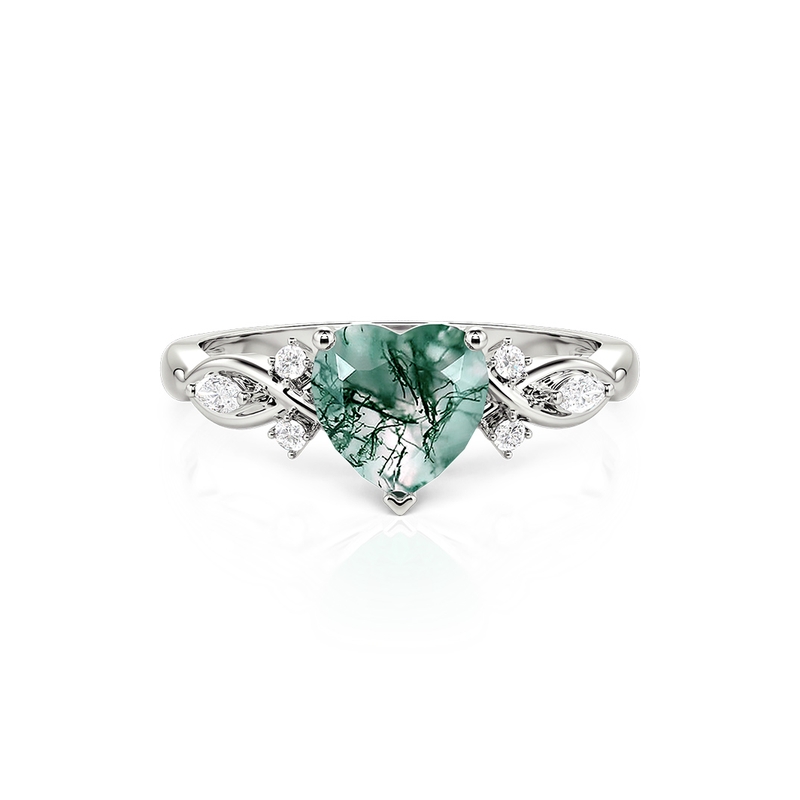
Jeulia Infinity Heart Moss Agate Engagement Ring
CA$187.50
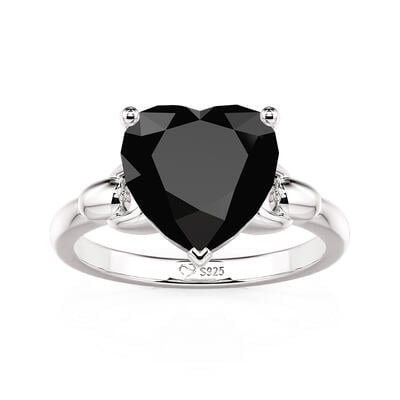
Jeulia Simple Chain Black Heart Solitaire Engagement Ring
CA$202.50
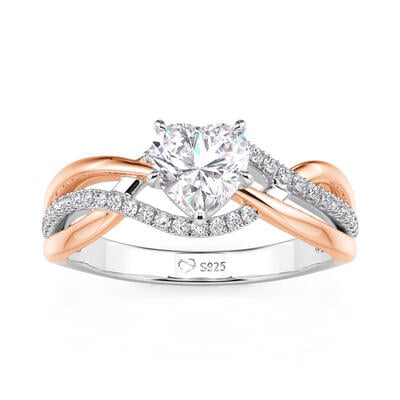
Jeulia Amore Twist Two Tone Heart Shaped Engagement Ring
CA$232.50
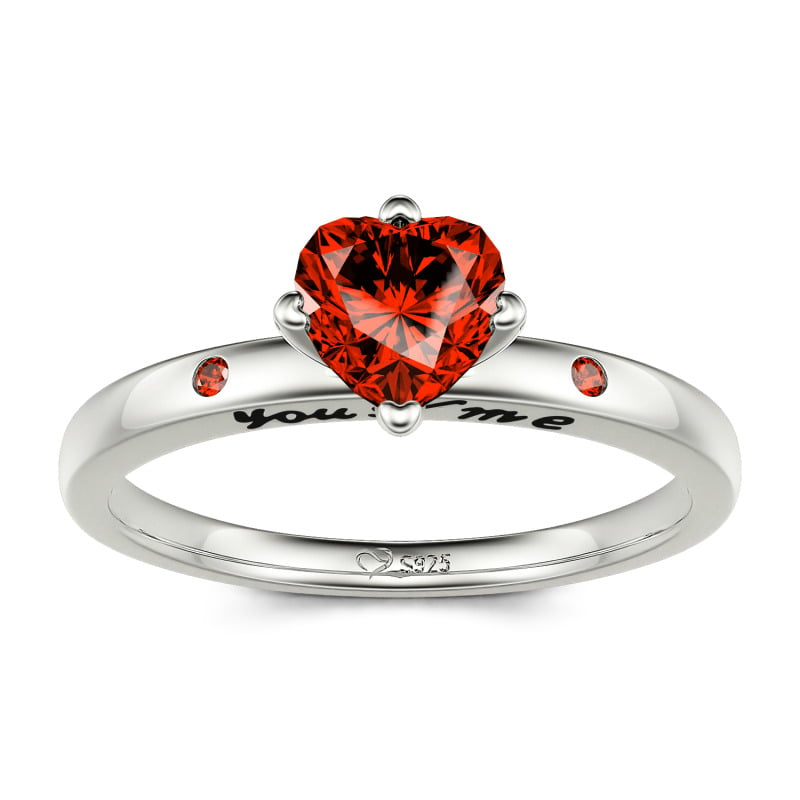
Jeulia "You & Me" Ruby Heart Engagement Ring Sterling Silver
From CA$193.50
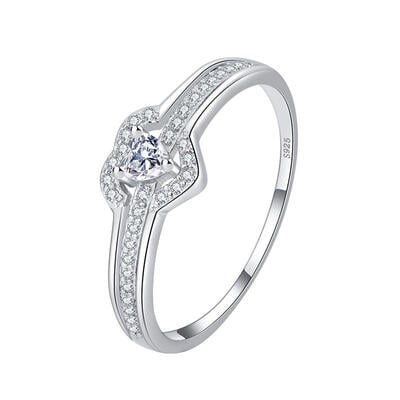
Jeulia Cute Heart Shaped Engagement Ring Sterling Silver
CA$127.50
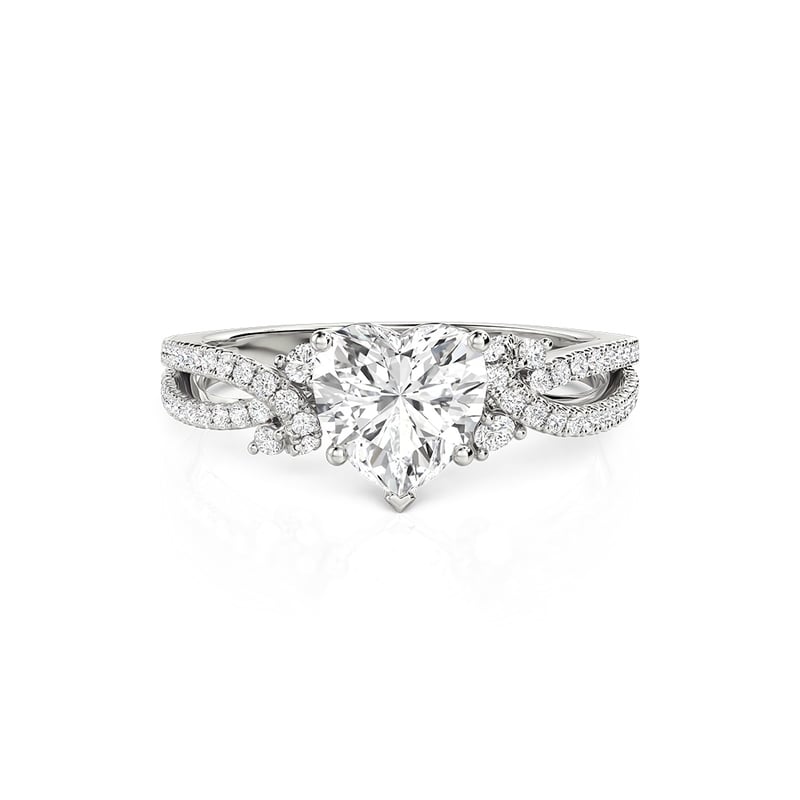
Jeulia Twisted Heart Shaped Engagement Ring With Side Stones
CA$202.50CA$261.00
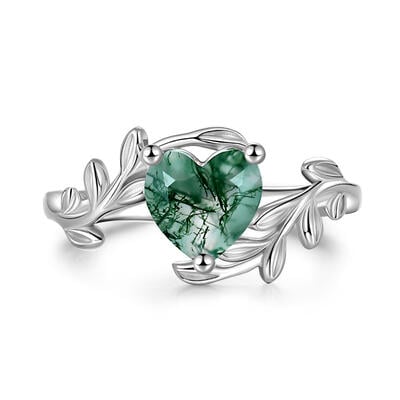
Jeulia Heart Shaped Moss Agate Engagement Ring
CA$142.50CA$208.50
Final Sale
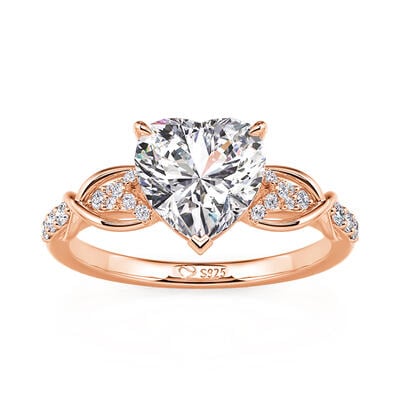
Jeulia Love Infinity Heart Engagement Ring with Gradient Side Stone
CA$187.50
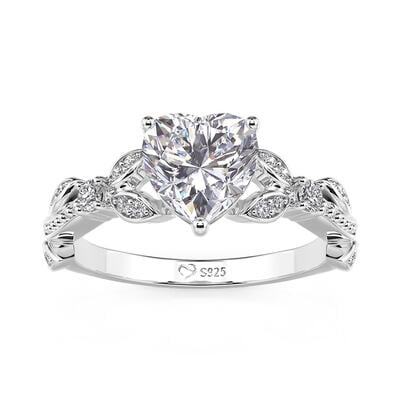
Jeulia Fine Vine Heart Engagement Ring Sterling Sliver
CA$193.50
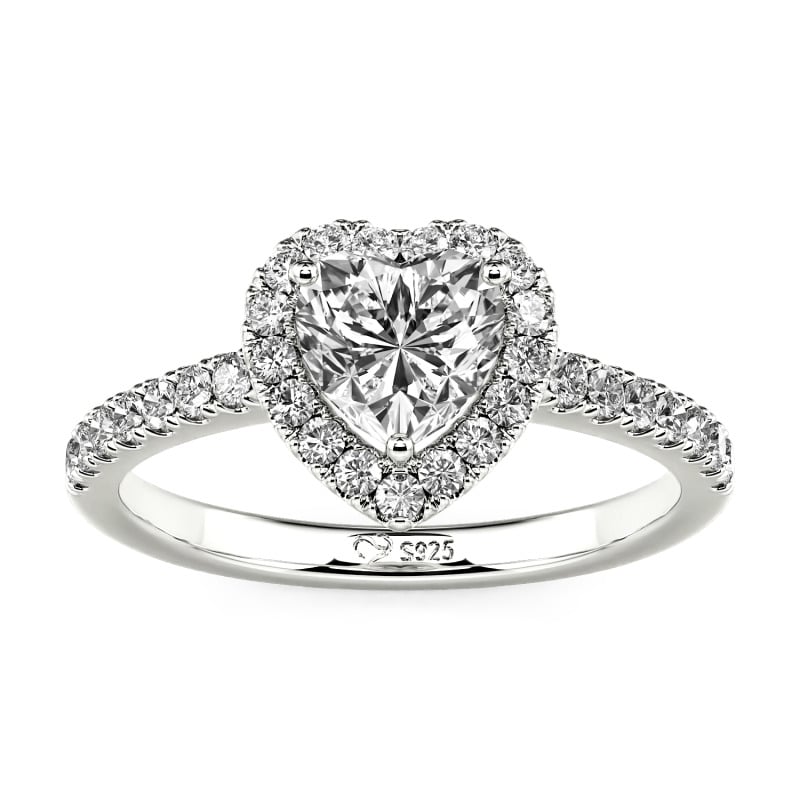
Jeulia Vintage Custom Halo Heart Engagement Ring
From CA$1,432.50
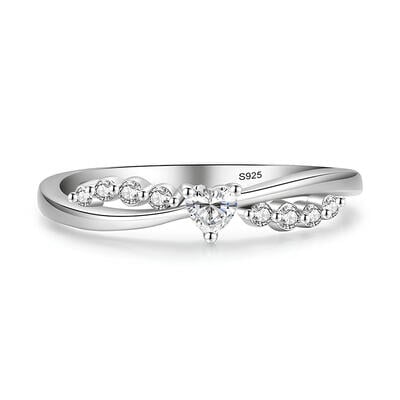
Jeulia Twist Cherished Heart Engagement Ring Sterling Silver
CA$133.50
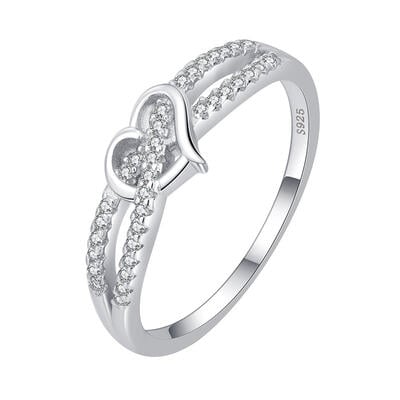
Jeulia Classic Twist Knot Heart Engagement Ring Sterling Silver
CA$127.50CA$193.50
Final Sale
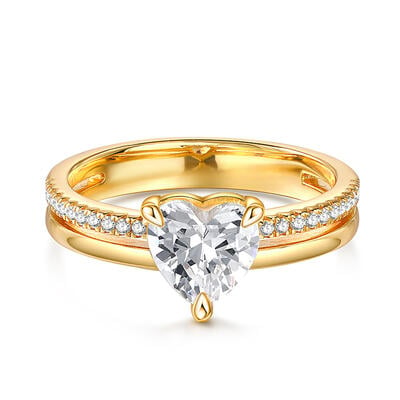
Jeulia Heart Cut Double Shank Sterling Silver Engagement Ring
CA$238.50
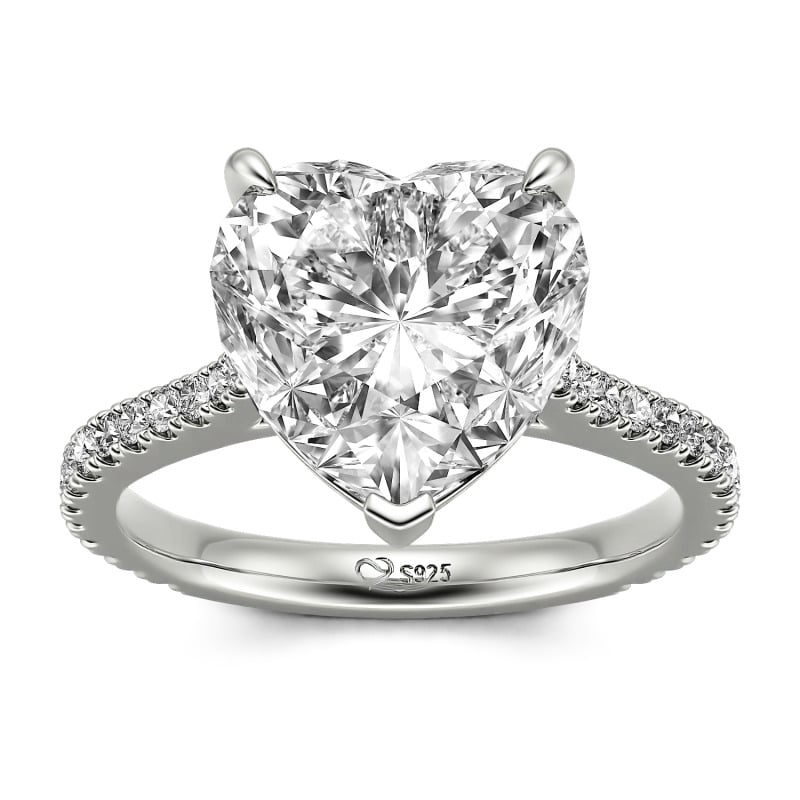
Jeulia Heart Cut Sterling Silver Engagement Ring
From CA$208.50
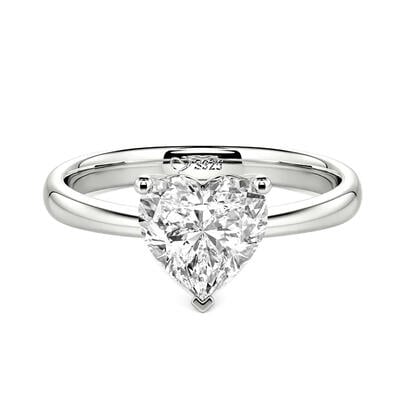
Jeulia Heart Cut Solitaire Sterling Silver Engagement Ring
CA$223.50CA$288.00

Jeulia Heart Cut Sterling Silver Engagement Ring
CA$178.50
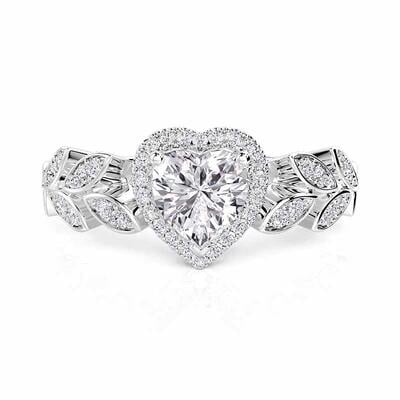
Jeulia Olivetta Custom Heart Birthstone Halo Engagement Ring
CA$223.50
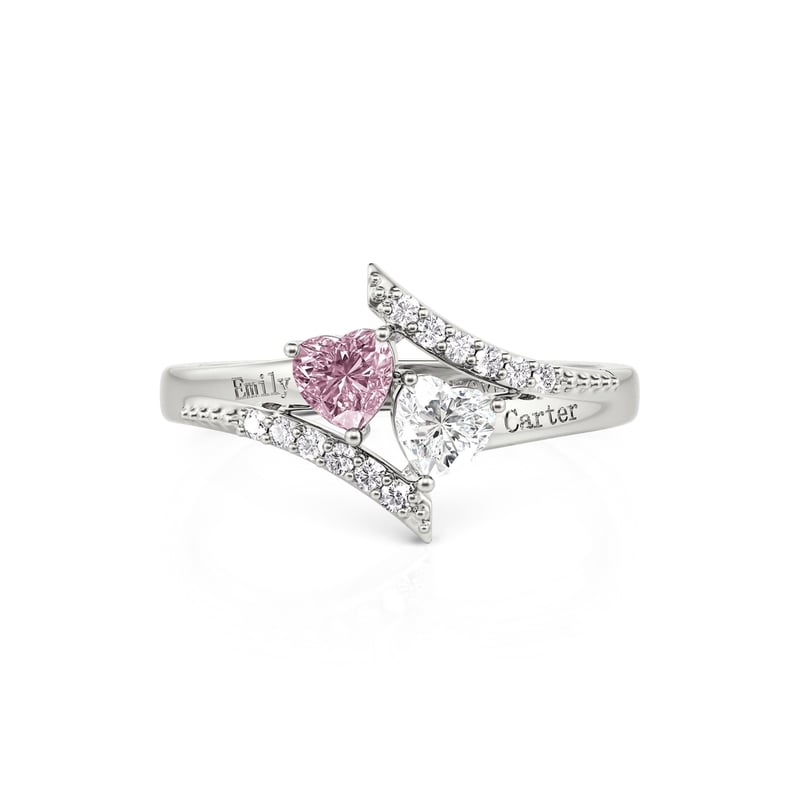
Jeulia "Heart to Heart" Custom Engagement Ring with Birthstone and Engraving
CA$187.50CA$234.00
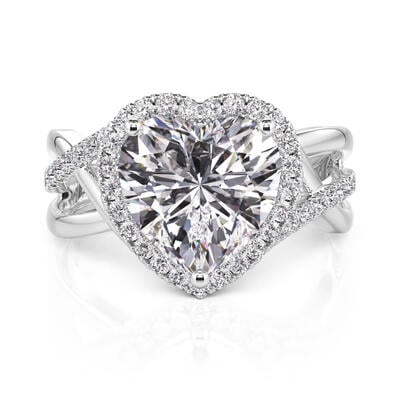
Jeulia Halo Twist Heart Engagement Ring Sterling Silver
CA$217.50
- 1
- 2


Heart Engagement Rings
When it comes to engagement ring cuts, there is no symbol more universally recognized for love than the heart. While round brilliants and elegant ovals have dominated the bridal landscape for decades, the heart-shaped engagement ring is currently enjoying a major renaissance.
A heart-shaped diamond is more than just a stone; it is a statement. It represents the ultimate declaration of love. Because of its complex geometry, it’s a cut that stands out in a crowd. While a classic solitaire round diamond is timeless, a heart shape is personal, whimsical, and deeply expressive—perfect for a partner who isn't afraid to wear their heart on their finger.
One of the best features of a heart-shaped diamond is its versatility. Depending on the setting, you can completely change the vibe of the ring:
The Classic Solitaire: A simple prong setting keeps the focus entirely on the shape of the stone. It’s elegant, clean, and classic.
The Vintage Vibe: A halo setting (a circle of smaller diamonds surrounding the center stone) adds extra fire and makes the heart appear larger. It gives the ring a glamorous, heirloom quality.
The Modern Minimalist: A bezel setting—where a thin rim of metal surrounds the diamond—offers a sleek, contemporary look and provides maximum protection for the pointed tip.
The Three-Stone Setting: Adding side stones (like trillions or baguettes) creates a balanced, sophisticated look that frames the heart beautifully.
Because heart-shaped diamonds have a delicate point at the bottom, it is vital to choose a setting that protects it. A V-tip prong is the gold standard for this cut. It cups the point of the diamond, ensuring that the stone remains secure and protected from accidental chips while you’re out living your life.
A heart-shaped engagement ring is not for the faint of heart—pun intended! It is for the person who loves bold design, values deep symbolism, and wants a ring that reflects the unique nature of their relationship.
If you want a ring that starts conversations and captures the exact feeling of your love story, the heart shape is the ultimate choice. It’s sweet, it’s striking, and it’s a reminder that love is always in fashion.
Read More